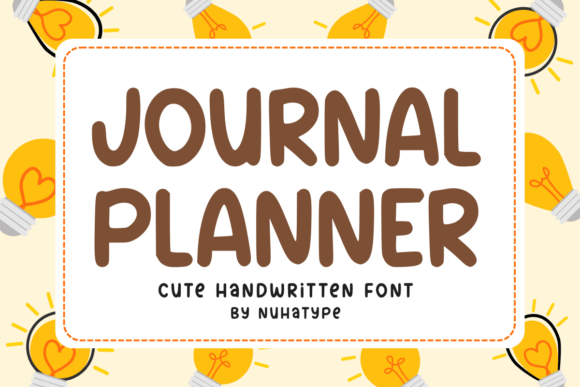
Journal Planner Font: Minimalist Handwriting for Design
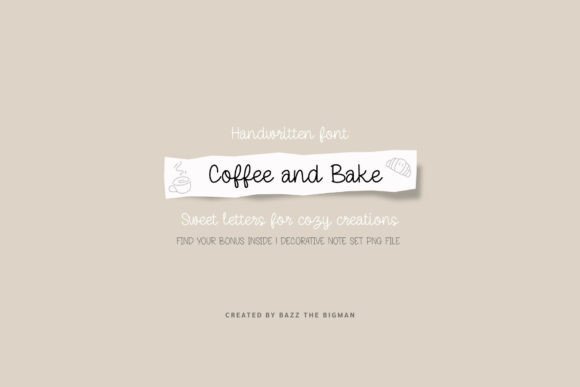
In a digital landscape saturated with sleek sans-serifs and bold serifs, there's a powerful counter-trend emerging: the return of authentic, human touch. The Journal Planner font embodies this perfectly, offering a thin, minimalist handwritten style that captures the charm of natural penmanship without sacrificing clarity. It’s more than just a typeface; it's a creative tool designed to inject warmth, personality, and a sense of intimacy into visual communication, making it invaluable for modern graphic designers and creators.
The Power of Authentic Typography in Branding
Effective branding hinges on creating a memorable and relatable identity. While corporate fonts convey professionalism, they can sometimes feel distant. Integrating a font like Journal Planner into your design workflow can bridge that gap. Its simplistic allure works wonders for brands aiming to project approachability, creativity, and authenticity. Think of a boutique coffee shop's menu, a wellness brand's packaging, or a lifestyle blog's logo—this font helps tell a story that feels personal and handcrafted, strengthening emotional connection with the audience.
Practical Applications for Creative Projects
The versatility of Journal Planner allows it to enhance a wide array of creative assets. Its clean, thin lines ensure readability at various scales, making it a reliable choice for both digital and print design.
- Marketing & Social Media Graphics: Use it for quotes, calls-to-action, or annotations on images. It adds a personal, editorial feel to Instagram posts, Pinterest pins, and Facebook ads that stands out from generic templates.
- Editorial & Print Design: Ideal for magazine pull quotes, book titles, or journal interiors. It complements photography and illustrations without overwhelming them, contributing to a clean visual hierarchy.
- Packaging & Merchandise: On product labels, thank-you cards, or sticker sheets, the font adds a bespoke, artisanal quality that elevates perceived value.
- Digital Products & UI Design: For e-books, online course materials, or app interfaces, it can be used for headings or decorative elements to soften the user experience (UX) and guide the viewer's eye with a friendly tone.
Integrating Handwritten Fonts into Your Design System
Adopting a new typeface requires thoughtful integration to maintain brand consistency. When using Journal Planner, consider its role within your overall typography strategy. It often works best as a complementary display or accent font, paired with a highly legible serif or sans-serif for body text. This balance ensures your message is both charming and clear.
Evaluate your color palette and imagery. The font's minimalist nature pairs beautifully with soft, neutral tones, pastel palettes, or alongside textured backgrounds that mimic paper or canvas. In a UI design context, use it sparingly for interactive elements or section headers to add delight without compromising the core user experience. Always test for scalability—what looks perfect on a business card must remain legible on a website banner.
Ultimately, the most successful design choices are intentional. Selecting a font like Journal Planner is about aligning your visual language with your brand's voice and your audience's expectations. It’s a strategic asset for anyone looking to blend modern aesthetics with the timeless appeal of the human hand. By thoughtfully incorporating such creative resources, you can transform standard projects into compelling narratives that resonate deeply, proving that in design, authenticity is the ultimate sophistication.