Fourth of July: A Quirky Handwritten Font for Creative Design
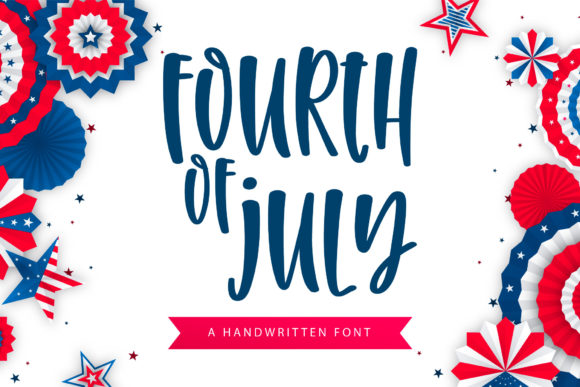
Capturing the relaxed, celebratory spirit of a summer holiday can transform a design project from ordinary to unforgettable, and the Fourth of July font does exactly that. This quirky and laid-back handwritten typeface offers a unique voice for creators seeking authenticity and warmth. In the realm of graphic design, typography is more than just text; it is the tone of your visual conversation. By integrating this specific style into your library, you gain a powerful tool for visual communication that feels personal, approachable, and distinctively modern.
The Role of Handwritten Fonts in Modern Visual Design
In an era dominated by clean sans-serifs and rigid geometric shapes, handwritten fonts like Fourth of July provide a necessary counterbalance. They inject humanity and organic texture into digital marketing materials. When a brand wants to move away from corporate stiffness and connect on an emotional level, a relaxed script is often the solution. This font acts as a bridge between professional branding and casual conversation, making it ideal for businesses that value community and approachability over rigid formality.
Enhancing Brand Identity and Logo Design
A strong brand identity relies on consistency and personality. The Fourth of July font is particularly effective for logo design in lifestyle, food, fashion, or artisan industries. Its quirky baseline and laid-back rhythm suggest creativity and ease. When used as a primary logotype or a secondary accent font, it helps define a brand’s voice. However, designers must ensure that this personality aligns with the target audience's expectations. A playful script works wonders for a bakery or a boutique clothing line but might require careful kerning and sizing to maintain professional presentation in more formal contexts.
Practical Applications Across Creative Projects
The versatility of a well-crafted handwritten font extends far beyond simple headers. Fourth of July serves as a wonderful asset across various creative projects, enhancing both aesthetics and user engagement. Its fluid nature allows it to adapt to different mediums while maintaining a cohesive look.
Consider utilizing this font in the following areas to maximize its impact:
- Social Media Graphics: Create eye-catching quotes, announcements, and Stories that feel personal rather than automated.
- Packaging Design: Add a handcrafted feel to product labels, especially for organic goods or artisanal products.
- Editorial Design: Use it for pull quotes or magazine headers to break the monotony of standard body text.
- Web Design and UI: Apply it to hero sections or call-to-action buttons to guide the user's eye with a friendly touch.
- Merchandise: Perfect for T-shirts, tote bags, and mugs where a relaxed, trendy vibe is desired.
Integrating Typography into Your Design Workflow
Successfully implementing a font like Fourth of July requires a thoughtful approach to visual hierarchy. Because handwritten scripts are inherently decorative, they pair best with clean, neutral sans-serifs or simple serif fonts for body copy. This contrast ensures readability while allowing the script to shine as a focal point. When selecting a color palette, consider hues that complement the font's casual energy—earthy tones for a grounded look or vibrant pastels for a playful summer aesthetic.
Tips for Selection and Usability
When evaluating creative assets like this, pay attention to technical details. Check the font’s legibility at smaller sizes, particularly for UI design elements. Ensure the character set includes necessary punctuation and ligatures to support your design workflow seamlessly. Scalability is crucial; a font that looks great on a billboard must also be decipherable on a mobile screen.
Furthermore, consider the emotional resonance of the typeface. Does the "quirky" nature of the Fourth of July font align with the message you are trying to convey? Visual design is about storytelling, and every stroke of a letter contributes to that narrative. By matching the font’s personality with your campaign’s goals, you create a more immersive experience for the viewer.
Ultimately, the power of high-quality typography lies in its ability to elevate a message without overshadowing it. Choosing distinctive assets like the Fourth of July font allows designers to craft visuals that are not only beautiful but also deeply resonant. Thoughtful selection of these tools ensures that every project—whether a digital ad or a printed brochure—communicates with clarity, style, and a touch of creative flair.