Arthur: The Handwritten Font for Impactful Design
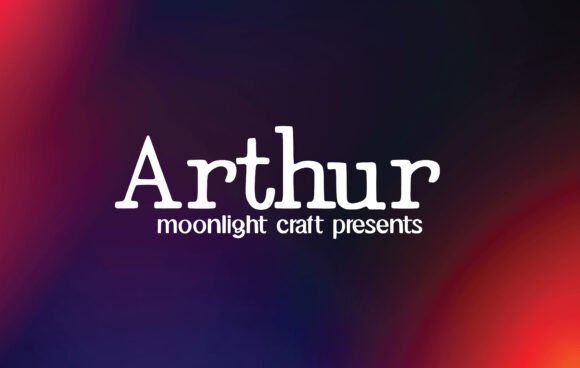
In a digital landscape saturated with clean, geometric sans-serifs, a single, beautifully crafted handwritten font can be the element that makes a brand unforgettable. Arthur is that typeface—a versatile and elegant script that injects immediate personality and human touch into any creative project. Its fluid strokes and balanced proportions make it more than just a pretty face; it's a powerful tool for graphic designers seeking to create authentic visual connections.
Elevating Brand Identity and Visual Communication
Typography is a cornerstone of brand identity. The right font communicates tone, values, and personality before a single word is read. Arthur excels in this domain. Its handwritten quality conveys warmth, approachability, and creativity, making it ideal for brands that want to feel personal and artisanal. When used in a logo, it can instantly differentiate a business from competitors using standard corporate fonts. For a boutique, a café, or a creative agency, Arthur can become the signature element that ties all branding materials together, from business cards to website headers.
Beyond logos, Arthur strengthens visual communication across all touchpoints. It brings a cohesive, human-centered feel to marketing materials, social media graphics, and editorial layouts. Imagine a quote graphic for Instagram rendered in Arthur—the message gains an emotional resonance that a generic font cannot match. In packaging design, it can suggest handcrafted quality, enhancing the perceived value of a product. Its application extends to advertising campaigns, presentations, and merchandise, where its unique character helps messages stand out and be remembered.
Practical Applications Across Creative Projects
The utility of a font like Arthur spans numerous areas of design work. Here’s how it can be strategically applied:
- Branding & Logo Design: Create a distinctive, memorable wordmark or complementary script for a brand's primary identity.
- Marketing & Social Media: Design eye-catching headlines, quotes, and calls-to-action for digital ads, email banners, and social posts that stop the scroll.
- Web & UI Design: Use it sparingly for accent text, hero sections, or buttons to add personality without compromising usability or readability in user interface design.
- Editorial & Print Design: Enhance magazine layouts, book covers, or invitation suites with elegant, flowing typography that guides the reader's eye.
- Packaging & Merchandise: Apply to product labels, tags, or apparel to communicate a handcrafted, premium aesthetic.
Tips for Effective Typography Integration
Integrating a script font like Arthur requires thoughtful consideration to maintain design integrity. First, prioritize readability. While beautiful, handwritten fonts are best suited for headlines, short phrases, or accents, not for long body copy. Pair it with a clean, simple sans-serif or serif font for supporting text to create clear visual hierarchy. Second, consider your audience. Ensure the font's personality aligns with their expectations and the brand's voice. A playful script may not suit a law firm, but it's perfect for a children's boutique.
Finally, test scalability and context. Check how the font renders at various sizes, from a tiny favicon to a large billboard. Ensure its details remain crisp. When using it in digital interfaces, verify its legibility against different background colors and within your chosen color palette. Thoughtful integration ensures Arthur enhances rather than overwhelms your design system.
Choosing the right creative assets is a deliberate process that balances aesthetics with function. A font like Arthur is more than a decorative element; it's a strategic asset that can elevate a brand's storytelling, create emotional engagement, and deliver a professional, polished presentation across all media. By understanding its strengths and applying it with intention, designers and creators can harness its potential to produce truly compelling and effective visual work.