Moulayna: Elevating Designs with Authentic Handwritten Charm
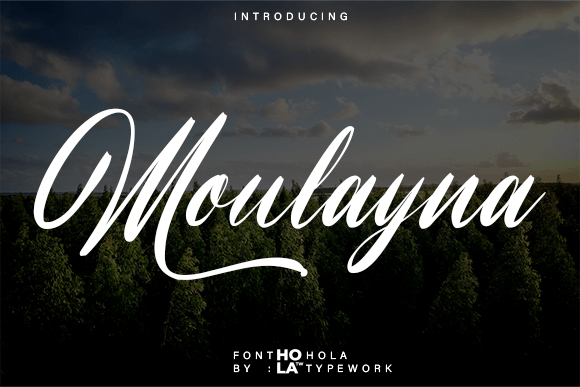
Imagine a design that feels less like it was made by a machine and more like it was crafted by a human hand, instantly forging a personal connection with the viewer. This is the power of a thoughtfully chosen handwritten font, and Moulayna stands out as a premier example. In the crowded landscape of graphic design, where visual communication is paramount, selecting the right typography is a critical decision that shapes brand identity and user experience. Moulayna, a truly unique handwritten font, breathes life into any creative project, offering a blend of authenticity and elegance that static typefaces often lack.
The Role of Authentic Typography in Modern Branding
Typography is a cornerstone of visual design, directly influencing readability, mood, and the overall professional presentation of a brand. A font like Moulayna contributes significantly to a modern aesthetic by introducing organic, human-centric qualities. Its fluid strokes and personal character help establish a visual hierarchy that guides the eye naturally, making it an invaluable creative asset. For designers and marketers, understanding how to leverage such typefaces is key to creating designs that resonate emotionally and communicate effectively.
Practical Applications Across Creative Projects
The versatility of a well-designed handwritten font extends across numerous design disciplines. Its application can transform standard materials into memorable pieces of communication.
- Brand Identity & Logo Design: Moulayna can be used to craft logos, taglines, or brand marks for businesses aiming for a friendly, artisanal, or personal image. It pairs beautifully with clean sans-serifs to create a balanced and scalable brand system.
- Marketing & Advertising: In digital marketing and print ads, this font adds a call-to-action or headline that feels approachable and urgent, improving engagement in social media graphics, email campaigns, and posters.
- Editorial & Packaging Design: For magazine layouts, book covers, or product packaging, it introduces a touch of craftsmanship, making editorial layouts more dynamic and packaging design more tactile and appealing on the shelf.
- Digital & Web Design: When used judiciously in UI design—for instance, in pull quotes, hero text, or button labels—it can enhance the user experience by adding warmth without compromising the clean lines of modern web design.
- Promotional Materials: From invitation cards and greeting cards to merchandise like t-shirts and mugs, Moulayna turns everyday items into keepsakes, lending a personal touch that generic fonts cannot achieve.
Tips for Effective Implementation
Integrating a distinctive font like Moulayna into your design workflow requires thoughtful consideration to maximize its impact.
- Prioritize Readability: While style is important, clarity is crucial. Ensure that at any chosen size, the text remains legible. Test it across different backgrounds and within your color palette.
- Maintain Consistency: Use Moulayna consistently for specific purposes—such as all subheadings or quotes—to strengthen brand recognition and create a cohesive visual language.
- Balance with Other Elements: Handwritten fonts work best when contrasted with simpler, more neutral typefaces for body text. This maintains a clean visual hierarchy and prevents the design from feeling cluttered.
- Consider the Audience: Ensure the font's personality aligns with your target audience's expectations and the project's goals. Its friendly script is ideal for lifestyle, creative, and consumer-facing brands but may need careful pairing for more formal contexts.
Ultimately, the tools you choose define the story you tell. Thoughtful design choices, anchored by quality creative assets like Moulayna, do more than just beautify—they enhance communication, solidify brand identity, and create a lasting impression. By selecting typography that aligns with your project's core message, you invest in a visual foundation that is both aesthetically compelling and functionally effective, ensuring your work connects with its intended audience on a deeper level.