Hibiscus: Injecting Playful Energy into Modern Graphic Design
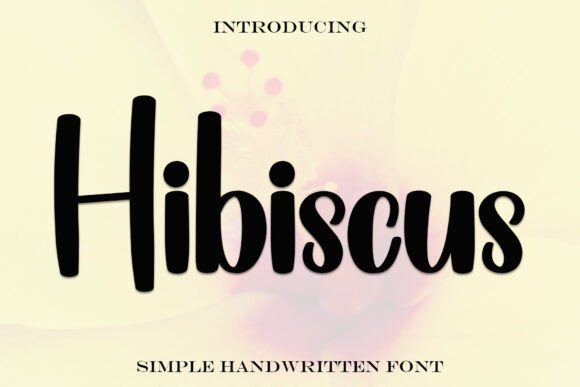
In a world saturated with digital noise, the bold, expressive strokes of the Hibiscus font immediately command attention, offering a solution for designers seeking to inject authentic, urban energy into their work. This typeface is more than just a collection of letters; it's a creative asset built for impact, designed to make a loud and memorable statement across a variety of visual platforms. Its casual brush texture and thick, lively strokes provide a distinct personality that can elevate a project from ordinary to extraordinary.
Understanding Hibiscus Typography
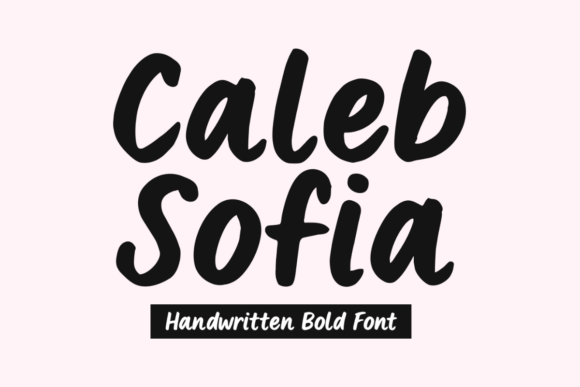
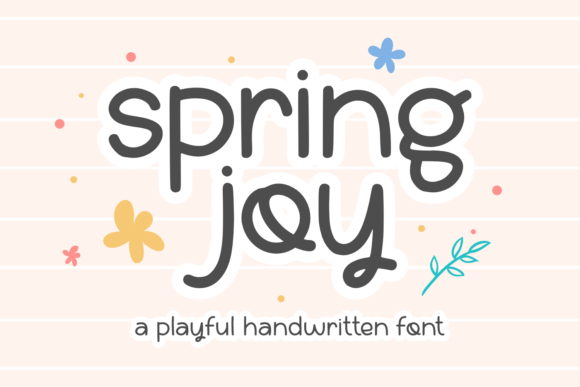
Hibiscus is a contemporary handwritten font characterized by its playful yet edgy aesthetic. It moves beyond traditional script fonts by incorporating a raw, street-style sensibility that feels both personal and energetic. The design features a dynamic rhythm in its letterforms, making it exceptionally effective for applications where visual hierarchy and immediate engagement are paramount. Available in multiple styles—including regular, shadow, and outline—it offers versatile options for creating depth and emphasis within a single typographic system.
The Role in Effective Visual Communication
Typography is a cornerstone of graphic design and brand identity. The choice of font communicates tone, personality, and context before a single word is read. Hibiscus excels in scenarios requiring a human touch and a burst of creativity. Its visual weight and textured finish make it ideal for headlines, logos, and call-to-action elements where grabbing the viewer's eye is the primary goal. For designers and marketers, it serves as a powerful tool to break through monotony and establish a distinct voice.
Practical Applications for Creative Projects
The utility of a font like Hibiscus spans numerous areas of design and digital marketing. Its expressive nature makes it particularly suited for projects aiming to connect with a younger, more dynamic audience or to convey a sense of movement and excitement.
- Branding and Logo Design: It can form the core of a brand identity for businesses in entertainment, fashion, or lifestyle sectors that want to project confidence and creativity.
- Social Media Graphics: Perfect for creating scroll-stopping posts, Instagram stories, and YouTube thumbnails where bold typography drives higher engagement.
- Packaging Design: Adds a tactile, artisanal feel to product labels, especially for food, beverages, or cosmetics aiming for a vibrant shelf presence.
- Advertising Campaigns: Its high visibility makes it excellent for posters, banners, and digital ads that need to communicate a message quickly and memorably.
- Merchandise and Apparel: The font's style is naturally suited for t-shirts, hats, and other merchandise, translating digital flair into physical products.
Strategic Implementation in Design Workflow
Integrating a distinctive font like Hibiscus requires thoughtful consideration to maintain design integrity and effectiveness. Here are key factors for professional use:
- Visual Hierarchy: Use Hibiscus for primary headlines or focal points. Pair it with a clean, neutral sans-serif or serif font for body text to ensure readability and create a balanced composition.
- Audience Alignment: Ensure the font's playful, urban edge resonates with your target demographic. It's perfect for youth-oriented brands but may need careful styling for more formal contexts.
- Color and Contrast: Its thick strokes work well with high-contrast color palettes. Experiment with vibrant hues to enhance its energy, or use monochromatic schemes for a sophisticated edge.
- Scalability and Legibility: Test the font at various sizes, especially in its outline or shadow styles, to ensure it remains clear in both large-scale prints and smaller digital displays.
- Brand Consistency: If used for branding, define specific guidelines for its application across all touchpoints—from web design and UI elements to print materials—to build a cohesive identity.
Ultimately, the power of a well-chosen typeface lies in its ability to enhance communication and deepen visual impact. By thoughtfully integrating creative assets like Hibiscus into your design toolkit, you can transform standard projects into compelling narratives. Quality typography doesn't just decorate; it directs the viewer's experience, reinforces brand values, and turns passive viewers into engaged audiences, proving that every detail in design contributes to a larger story.